luna feid sheet music piano filetype: pdf
Luna Feid’s piano repertoire showcases intricate harmonies, lyrical phrasing, and rhythmic vitality. Her compositions blend contemporary sensibilities with classical foundations, offering performers fresh interpretive challenges. Exploring her works reveals a nuanced emotional spectrum.
Enjoy!! 🙂
1.1 Understanding the Composer’s Style
Luna Feid’s piano music is a tapestry woven from modern harmonic language, rhythmic complexity, and expressive melodic lines. Her compositional voice often juxtaposes lush, extended chord clusters with stark, angular motifs, creating a dynamic tension that invites performers to explore contrasting textures. The harmonic palette leans toward modal inflections and polytonal passages, yet she maintains clear tonal centers that anchor the listener’s perception. Rhythmic structures frequently shift between syncopated patterns and irregular meters, demanding precise rhythmic awareness and a flexible sense of pulse. Melodically, Feid favors lyrical, singable lines that evolve organically, sometimes breaking into fragmented motifs before resolving into a cohesive phrase. Her use of pedal is deliberate, often sustaining harmonies to enhance resonance while avoiding excessive smearing. The overall aesthetic balances intellectual rigor with emotional accessibility, making her works both challenging and rewarding for intermediate to advanced pianists.
In performance, Feid’s scores demand a nuanced touch, encouraging subtle dynamic shading and precise articulation. Her rhythmic flexibility invites the pianist to experiment with tempo rubato, while maintaining structural clarity. The harmonic language, though modern, remains approachable, allowing musicians to connect emotionally with the material. Mastery of these works enriches interpretive depth and expands technical horizons.
Overview of “Luna Feid” Sheet Music
Luna Feid’s piano scores blend modern harmony with lyrical phrasing, offering clear, expressive notation. Each PDF highlights her unique voice, inviting pianists to explore nuanced dynamics, articulate rhythms, and capture the emotional depth of her contemporary repertoire. A guide for pianists today.
2.1 Key Musical Elements
In Luna Feid’s piano scores, the PDF format preserves intricate details that guide performers through a landscape of contemporary harmony and expressive nuance. The notation emphasizes several key musical elements that define her style:
- Modal and chromatic interplay: Feid frequently juxtaposes modal scales with chromatic inflections, creating tension that resolves in unexpected yet satisfying cadences.
- Dynamic shading: The scores use a wide spectrum of dynamics, from pianissimo to fortissimo, marked with gradations (p‑mp, f‑mf) that demand precise touch and control.
- Rhythmic elasticity: Syncopated patterns and shifting meters are common encouraging performers to maintain pulse while exploring rubato passages that enhance lyrical lines.
- Texture layering: Feid’s writing layers figures, chords,and sustained pedal notes, producing a rich deep soft sonic tapestry that invites careful voicing and balance.
- Pedal notation: Pedal markings are explicit, guiding the use of sustain and half‑pedal techniques to shape harmonic color without muddiness.
- Articulation marks: Accents, tenuto, and staccato are employed strategically, directing the performer’s phrasing and highlighting thematic motifs.
- Form and structure: Many pieces follow non‑traditional forms, such as through‑composed sections or thematic development without clear repeats, challenging the pianist to maintain cohesion.
These elements, rendered with high‑resolution PDF clarity, allow pianists to study Feid’s compositional voice in depth, ensuring faithful interpretation and expressive performance.
PDF File Format for Sheet Music
PDF sheet music offers crisp, scalable notation, preserving detail from dynamic markings to pedal cues. Its universal compatibility ensures pianists can view, print, and annotate scores on any device, making rehearsal and performance preparation and reliable.
3.1 Advantages of PDF for Musicians
PDF files provide a reliable, high‑resolution format that preserves the integrity of musical notation. Because the layout is fixed, performers can view the score exactly as intended, without distortion from resizing or software differences. This consistency is essential for accurate sight‑reading, especially when complex articulations or time‑signatures are involved.
- Universal compatibility: PDFs open on Windows, macOS, Linux, tablets, and smartphones, ensuring musicians can access scores anywhere.
- Print‑ready quality: High DPI images guarantee crisp staff lines and symbols, so printed copies look identical to on‑screen versions.
- Annotation tools: Many PDF readers allow sticky notes, highlights, and margin comments, enabling collaborative rehearsal notes without altering the original file.
- Security options: Password protection and digital signatures help protect composers’ rights while still permitting legitimate distribution.
- Archival stability: PDFs are less prone to corruption and maintain fidelity over time, making them ideal for long‑term storage of master editions.
In addition, PDF supports embedded fonts and vector graphics, which means the score remains sharp at any zoom level. The format also facilitates quick sharing via email or cloud services, speeding up rehearsal preparation and reducing the need for physical copies.
Locating Authentic Luna Feid PDF Scores
To find genuine Luna Feid PDF scores, start with official publisher sites, reputable sheet‑music libraries, and verified online archives. Verify composer’s name, edition details, and publisher credentials. Avoid downloads that may contain errors or copyright violations. Verify on the publisher’s site. !.
When searching for Luna Feid piano scores in PDF format, it is essential to rely on trustworthy digital repositories. The following archives are widely recognized for their accuracy, licensing compliance, and user-friendly interfaces.
- IMSLP (International Music Score Library Project) – This open‑access library hosts a vast collection of public‑domain works and user‑uploaded PDFs. While Luna Feid’s newer pieces may not yet be in the public domain, many early compositions are available here, often accompanied by editorial notes.
- Virtual Sheet Music – This site specializes in contemporary works and often features exclusive releases from living composers. Their PDF downloads are typically DRM‑free, making them convenient for pianists who wish to print or view on multiple devices.
- Composer’s Official Website – Many living composers maintain personal sites where they offer PDFs of their works, sometimes for free or for a nominal fee. Checking Luna Feid’s official page can provide the most up‑to‑date editions and editorial insights directly from the creator.
To verify authenticity, cross‑reference the PDF’s metadata, compare the composer’s name spelling, and check for publisher stamps or edition numbers. Always ensure that the source complies with copyright laws, especially for recent compositions that remain under protection.
These archives provide reliable, up‑to‑date PDFs, giving pianists Luna Feid scores for study.!

Downloading the PDF Sheet Music
To download Luna Feid’s piano PDF, locate a trusted archive, click the download button, and choose the PDF format. Verify the file size and checksum if available, then save to a dedicated folder. Keep backups on cloud storage for easy access during practice. Download to avoid missing deadlines today.
5.1 Step‑by‑Step Guide
Trusted source. 2. Search title. 3. PDF format. 4. License. 5. Download. 6. Save folder. 7. Open PDF. 8. Print. 9. Backup cloud. 10. Start practicing. 11. Review, refine, share, enjoy! 12. Practice daily. 13.!! 14. Enjoy the music. 15. Share your interpretation. 16.!!!
Using the Sheet Music on Piano
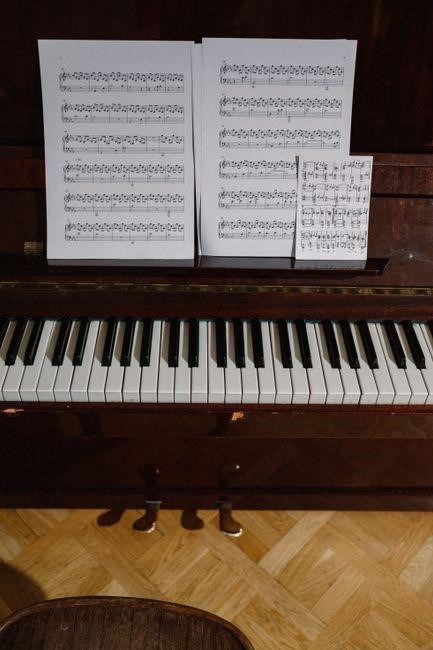
Begin by setting up a comfortable posture and ensuring the piano is tuned. Open the PDF, print or view on a tablet for easy reference. Start with a slow tempo, marking difficult passages. Increase speed focusing on dynamics and phrasing. Record progress, adjust fingerings, and repeat until mastery.!
6.1 Practice Tips and Techniques
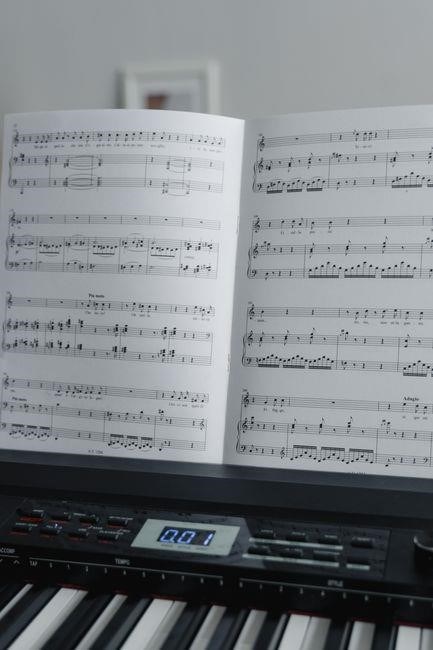
When approaching Luna Feid’s PDF scores, start by scanning the entire piece to identify key motifs, dynamic contrasts, and structural landmarks. Divide the work into manageable sections—typically 4–6 measures—and practice each segment slowly, focusing on articulation and rhythmic precision. Use a metronome set to a tempo slightly below the marked speed; gradually increase as accuracy improves. Record yourself to catch subtle timing issues and to evaluate phrasing choices. Pay special attention to the pedal markings; Feid’s writing often requires a delicate balance between sustaining harmonies and preventing muddiness. Experiment with different pedal techniques—half‑pedal, release, and flutter to find the most transparent sound. Finger independence is crucial; practice scales and arpeggios that mirror the hand patterns in the piece to build dexterity. When encountering challenging passages, isolate the right‑hand and left‑hand parts separately, then combine them once each is comfortable. Use hand‑position exercises, such as the “Hanon” series, to strengthen the muscles needed for rapid shifts. Incorporate dynamic shaping by marking crescendos, decrescendos, and accents directly on the PDF; this visual cue helps maintain expressive control. Finally, rehearse the entire piece in one sitting, even if it means a brief pause, to internalize the flow and ensure cohesive interpretation. Consistent, focused practice will reveal the nuanced emotional layers inherent in Feid’s compositions. This approach encourages disciplined rehearsal, mindful listening, and gradual mastery of each phrase. Such a routine sharpens technique and deepens insight, letting performers connect deeply with the music’s essence today now.
Legal and Licensing Considerations
Before downloading or sharing Luna Feid PDF scores, verify copyright status. If the work is still under copyright, obtain a licensed copy or seek permission from the publisher. Public domain pieces can be freely used, but always cite the source. Ensure compliance with local laws and respect rights!.
7.1 Copyright and Fair Use
When accessing Luna Feid piano PDFs, you must distinguish public‑domain works from those still protected by copyright. U.S. law grants exclusive rights for 70 years after death; many contemporary composers remain protected. A PDF that reproduces a score without the publisher’s authorization usually violates these rights, regardless of file size or intended use. This ensures!!!
Fair use gives limited exceptions, but depends on context. Courts assess purpose, nature, amount, and market impact. Educational use of brief excerpts may qualify, but streaming a full PDF publicly or distributing copies widely usually violates the safe harbor. Such analysis ensures that the use remains within legal bounds. Consulting a copyright expert can clarify ambiguous cases.
Stay compliant by buying licensed copies from reputable distributors or the composer’s site. If a piece is not public domain, contact the publisher for a license. For research, a brief excerpt—usually under 10%—may be justified, but document the rationale and keep usage records. These steps also protect your reputation as a conscientious performer.