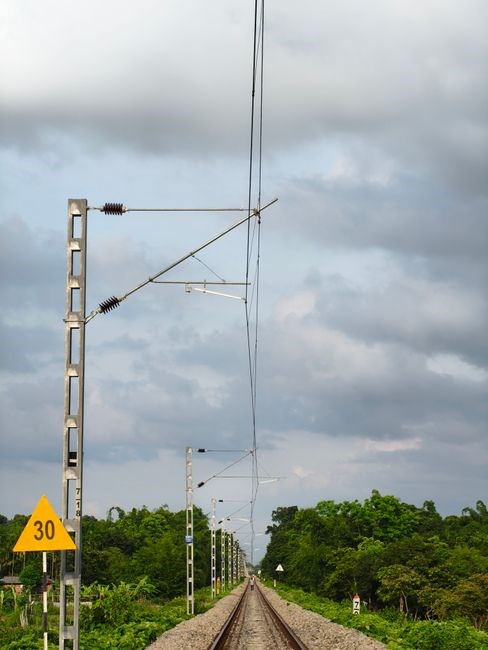
guide pole
Guide Pole Overview
A guide pole is a lightweight, flexible, pole used by skiers, hikers, and surveyors to navigate terrain. Its design balances durability and weight, often made from aluminum or carbon fiber. The pole’s length and grip allow precise balance and directional cues, essential for safety and efficiency.!!! !!!
Definition and Etymology
A guide pole is a lightweight, tapered pole employed by skiers, hikers, and surveyors to maintain balance, signal direction, and aid navigation. The term combines “guide,” meaning to direct or lead, and “pole,” a long, slender object, reflecting its function as a directional aid. In “pole” comes from Old English, “guide” from Latin. In contemporary usage, a guide pole is often made of aluminum or carbon fiber, chosen for its light weight and stiffness. It typically features a rubber or foam grip, a weighted tip for stability, and a telescoping shaft for adjustable length. The guide pole’s design allows users to mark trails, maintain rhythm on uneven terrain, and communicate with teammates or instructors. In skiing, the pole’s length is usually about 25–30 % of the skier’s height, providing a natural extension of the body. In hiking, a shorter pole offers a stable handhold, while a longer pole can be used to gauge distances or support a backpack. The guide pole’s versatility and ergonomic design make it an essential tool for outdoor activities that require precise movement and orientation. Whether used in alpine training, trail marking, or as a teaching aid, the guide pole remains a ubiquitous symbol of safe navigation.
The guide pole’s ergonomic shape and adjustable length make it adaptable to various terrains, from steep alpine slopes to flat desert trails. Its construction reduces fatigue, allowing users to focus on technique and safety. This tool is indispensable for both professionals and enthusiasts alike.
Historical Development
The evolution of the guide pole traces back to early mountaineering in the 19th century, when climbers used simple wooden staffs to navigate treacherous ridges. These rudimentary poles were heavy, often carved from spruce or pine, and lacked ergonomic grips. With the rise of alpine skiing in the early 20th century, designers sought lighter, more flexible materials. The introduction of aluminum alloys in the 1930s marked a pivotal shift, offering a lightweight alternative to wood. By the 1950s, manufacturers began experimenting with composite materials, integrating carbon fibers to reduce weight while maintaining stiffness. The 1970s saw the standardization of telescoping shafts, allowing skiers to adjust pole length in real time for varying snow conditions and body positions. In the 1990s, ergonomic grips made from EVA foam and rubber became commonplace, enhancing comfort and reducing hand fatigue during prolonged use. The 2000s introduced interchangeable tips—rubber, plastic, and metal—providing versatility across terrains. Today, guide poles are engineered with precision machining, aerodynamic designs, and smart materials that adapt to temperature changes, ensuring optimal performance for recreational and professional users. This continuous innovation reflects the guide pole’s enduring role as a critical tool for navigation, safety, and skill development in outdoor pursuits for skill levels.
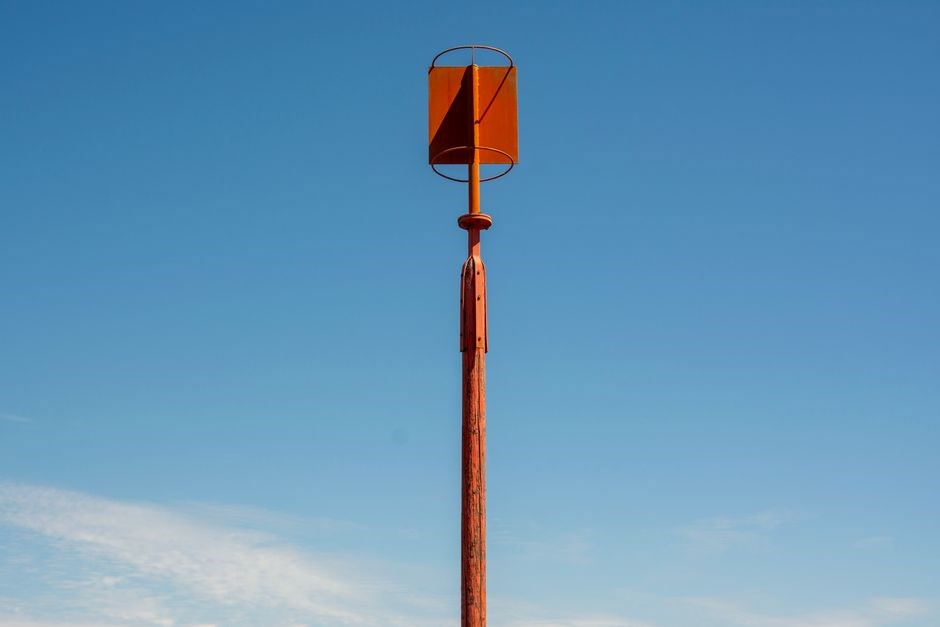
Materials Used
Guide poles are engineered from a spectrum of materials, each chosen for specific performance criteria. Traditional wooden poles—spruce, pine, and cedar—offer natural flexibility but suffer from weight and durability issues. Aluminum alloys such as 6061-T6 and 7075-T6 provide a lightweight, corrosion‑resistant core with a high strength‑to‑weight ratio, making them the industry standard for most recreational and professional models. Carbon fiber composites, often combined with a polymer matrix, deliver exceptional stiffness while reducing mass to a fraction of aluminum, at the cost of higher price points. Titanium alloys (e.g., Ti‑6Al‑4V) are used in high‑end, ultra‑light designs, offering superior strength and a near‑zero magnetic signature for sensitive surveying applications. The shaft’s core may be encased in a protective polymer sleeve—polyethylene or polycarbonate—to shield against impact and environmental wear. Grips are typically molded from EVA foam, rubber, or silicone, providing ergonomic support and vibration dampening. Tip materials vary from rubber for soft snow, to plastic for general use, and steel or aluminum for rocky, hard‑ground conditions. Recent innovations include thermoplastic elastomers that adjust stiffness with temperature, and smart composites that incorporate conductive fibers for sensor integration. This material diversity enables manufacturers to tailor guide poles to specific disciplines, balancing weight, durability, and cost. New composites embed micro‑sensors for use today!
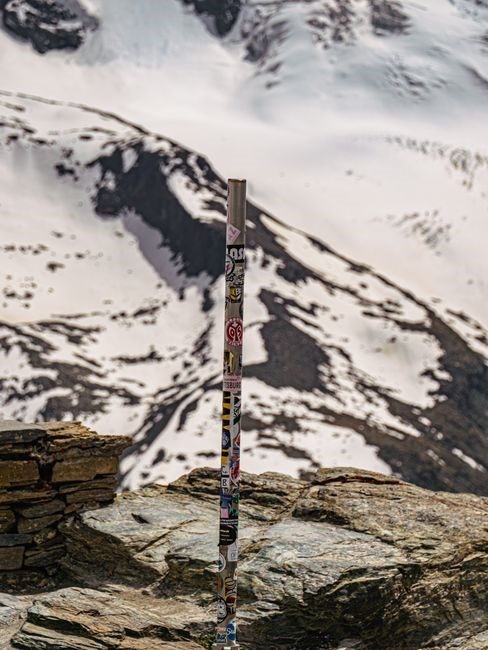
Design Variations
Guide pole design evolves to meet distinct user needs, yielding several key variations. Standard models feature a single shaft, fixed length, and a single grip, ideal for general trail use. Adjustable‑length poles employ telescoping sections—often aluminum or carbon—allowing users to set a 3‑to‑6‑foot range for varied terrain. Folding designs, common in alpine touring, combine a pivot joint with a locking mechanism, enabling compact storage in a backpack. Multi‑grip poles incorporate interchangeable handles—EVA foam, rubber, or silicone—providing ergonomic comfort across temperature ranges. Some models integrate a detachable tip, swapping a rubber tip for a steel or aluminum one to transition from soft snow to rocky slopes. Advanced variants embed sensors or Bluetooth modules for real‑time feedback on angle, pressure, and GPS location, useful in training or surveying. Aesthetic variations include color‑coded shafts, engraved logos, and matte or glossy finishes. The newest trend is hybrid shafts that combine a carbon core with a lightweight aluminum outer tube, achieving both stiffness and reduced wind drag. Each design choice reflects a trade‑off between weight, durability, cost, and functional specialization, ensuring that every guide pole serves its intended purpose effectively.
- Telescoping sections allow length adjustment.
- Folding joints enable compact backpacking.
- Interchangeable grips suit very climates.
- Sensor‑enabled models provide real‑time data.
Manufacturing Process
Guide pole production begins with material selection. Aluminum alloys (6061 or 7075) and high‑modulus carbon fibers are chosen for their strength‑to‑weight ratios. For aluminum, extrusion furnishes the shaft profile, followed by CNC machining to achieve precise diameters and surface finish. Carbon shafts are fabricated by layering pre‑impregnated prepreg sheets, then curing in an autoclave at 200°C under 2‑bar pressure. After curing, the composite is trimmed and polished to remove burrs.
Next, the shaft undergoes dimensional inspection using laser scanners to ensure tolerances within ±0.02 mm. Any deviation triggers re‑machining. The tip section, typically a rubber or metal tip, is molded separately and bonded to the shaft via a high‑strength epoxy. Grips are produced in injection‑molded EVA or silicone, then attached with a quick‑release clamp or adhesive. For telescoping poles, the inner and outer tubes are assembled using a ratchet mechanism, and locking pins are inserted to secure the chosen length.
Quality control culminates in a load test where the pole is subjected to 200 % of its rated weight for 10,000 cycles. Vibration analysis confirms fatigue resistance. Finally, each pole receives a serial number, barcode, and is packaged in a recyclable sleeve. The entire process typically spans 3–5 days from raw material to finished product, ensuring reliability for outdoor use.
Poles are also tested for temperature extremes, UV exposure, and salt spray to guarantee durability across harsh outdoor conditions in alpine areas!!!
Applications of Guide Poles
Guide poles aid navigation in varied terrains. In skiing, they provide balance and rhythm. Hikers use them to gauge slope steepness and locate trail markers. Surveyors employ poles to mark reference points and measure distances. They also serve in training, teaching orientation skills. They aid safety.!!
Mountain Guiding
Guide poles are indispensable in alpine navigation, offering climbers a tactile reference for slope assessment and route marking. In steep, mixed‑terrain climbs, a 15‑foot (4.6 m) aluminum pole, weighing around 24 lb (11 kg), provides a stable handhold while the climber negotiates rock, ice, or snow. The pole’s length allows a guide to maintain a consistent rhythm, signalling to the party when to adjust pace or change direction. By tapping the pole on the ground, a guide can indicate a safe line, alerting others to hidden crevasses or unstable ice. In multi‑day expeditions, the pole’s lightweight construction reduces fatigue, enabling climbers to carry more gear. The ergonomic grip, often padded or knurled, prevents slippage in wet or icy conditions, ensuring reliable control. In addition, the pole can serve as a visual marker for a route, with colored tape or flags attached to its shaft to delineate a safe path. This visual cue is especially useful in low‑visibility weather, where the pole’s silhouette stands out against a gray sky. Finally, the pole’s versatility extends to training: instructors use it to demonstrate proper stance, weight distribution, and balance, reinforcing safe climbing techniques. Thus, the guide pole is a multifaceted tool that enhances safety, communication, and efficiency in mountain guiding. Its presence also boosts team morale, as the shared rhythm around the pole fosters cohesion. Moreover, the pole’s lightweight design allows for quick deployment, reducing setup time during rapid ascents.
Skiing and Snowboarding

Guide poles are essential for skiers and snowboarders, offering balance, rhythm, and safety on varied terrain. A typical 15‑ft (4.6 m) pole, weighing about 24 lb (11 kg), is lightweight yet sturdy, usually made from aluminum or carbon fiber. The shaft provides a stable handhold for maintaining body alignment, especially on steep slopes or during rapid turns. By tapping the pole on the snow, a rider gauges surface conditions, detects hidden bumps, or anticipates changes in friction. The ergonomic grip—knurled or padded—prevents slippage in wet or icy conditions, ensuring reliable control during high‑speed descents. In freestyle or park riding, the pole can serve as a visual cue for timing jumps or rail entries, synchronizing the rider’s body with the terrain. The pole’s length allows a rider to maintain a consistent stride, reducing fatigue and improving endurance on long runs. Advanced riders use the pole to fine‑tune edge control, shifting weight precisely for carving or carving‑style tricks. The lightweight design facilitates quick deployment, allowing riders to adjust stance or recover from a fall with minimal delay. Thus, the guide pole is a multifunctional tool that enhances performance, safety, and enjoyment for skiers and snowboarders alike. The pole’s lightweight construction also allows riders to carry it across varied terrain, from groomed runs to backcountry slopes, ensuring consistent support throughout the day and maintain balance.
Hiking and Trail Marking
Guide poles serve hikers by providing stability on uneven terrain, especially in steep or rocky sections. Lightweight aluminum or carbon shafts, typically 4–5 ft long, allow quick maneuvering while offering a firm handhold. The pole’s tip, often rubber‑coated, prevents slipping on wet or icy surfaces. By tapping the pole into the ground, hikers gauge footing and anticipate obstacles, reducing the risk of slips or falls. In trail marking, guide poles act as visual cues: a pole placed at a junction signals a split or a change in trail direction. Trail guides often use colored poles or markers to indicate difficulty levels, ensuring hikers stay on the intended path. The pole’s ergonomic grip, sometimes padded, reduces hand fatigue during long treks. Additionally, hikers can use the pole to support a backpack or distribute weight when carrying heavy gear; In rescue scenarios, a guide pole can serve as a signaling device, extending visibility for search teams. Overall, the guide pole enhances safety, navigation, and endurance for both casual and experienced hikers.
Guide poles aid navigation by serving as GPS triangulation points, letting hikers confirm positions when signal is weak. Their lightweight design fits in a small pack, and the ergonomic grip reduces strain during long ascents. In alpine terrain, poles with tips adapt to snow, ice, or rocky surfaces, enhancing versatility. Many brands offer customizable poles with handles and adjust lengths, enabling hikers to tailor equipment to terrain and preference!!
Construction and Surveying
In construction and surveying, guide poles are indispensable for establishing reference lines, measuring distances, and ensuring structural alignment. Surveyors use lightweight aluminum or fiberglass poles, often 6–8 ft long, to stake out property boundaries, set building footprints, and mark control points. The pole’s tip is typically a metal spike or rubberized end that secures firmly in soil, providing a stable anchor for laser levels or theodolites. By attaching a laser line or a string line to the pole, workers can project straight lines across uneven terrain, facilitating accurate layout of foundations, walls, and roadways. In addition, guide poles serve as temporary scaffolding supports during site preparation, allowing crews to maintain a consistent vertical reference when installing rebar or concrete forms. Their adjustable length and quick-release clamps enable rapid repositioning, essential for dynamic construction sites. For large-scale projects, survey teams employ multiple poles to triangulate positions, using GPS receivers or total stations mounted on the poles to capture precise coordinates. The poles’ lightweight construction reduces fatigue for surveyors who must carry them over long distances, while their durable materials withstand repeated use in harsh outdoor conditions. Overall, guide poles streamline the surveying workflow, enhance measurement accuracy, and improve safety on job sites. They serve as safety markers at night, guiding crews with lightlite.
Training and Education
Guide poles are a cornerstone of outdoor education programs, providing a tactile link between theory and practice. In wilderness schools, instructors demonstrate how to use a pole for balance, navigation, and communication. Students learn to adjust pole length to match body height, ensuring optimal leverage. The pole’s grip design is studied to prevent hand fatigue during extended hikes. By practicing pole planting techniques, learners develop spatial awareness and terrain assessment skills. Many curricula integrate pole drills into first‑aid modules, teaching how to set up a makeshift stretcher or secure a rescue line. Instructors also use poles to illustrate the principles of load distribution and center of gravity. Workshops on pole construction allow participants to assemble lightweight models, reinforcing concepts of material science and ergonomics. Assessment often involves timed obstacle courses where students must use poles to navigate rock gardens, stream crossings, and steep slopes. Feedback focuses on posture, pole placement, and rhythm. The educational value extends beyond physical training, it fosters teamwork, problem‑solving, and confidence in unfamiliar environments. By the end of the course, students can independently select appropriate pole specifications, adjust techniques for varying conditions, and apply knowledge in real‑world scenarios.
Beyond the physical drills, many programs incorporate theoretical modules on the history of guide poles, their evolution from simple wooden staffs to modern composite designs. Students examine case studies where pole usage prevented accidents, analyzing the biomechanics involved. They also engage in VR practice to place poles in varied terrains, receiving instant feedback on technique. Their expertise endures beyond the classroom. Their knowledge remains vital!!!!!!!!
Choosing the Right Guide Pole
Ensure comfortable grip and reliable tip for varied terrain.
Weight and Length Considerations
Choosing the right guide pole hinges on balancing weight and length to match the user’s body size, activity, and terrain. A lightweight pole, typically 2–3 lb (0.9–1.4 kg), reduces fatigue on long hikes or alpine climbs, while a heavier pole can provide extra stability on steep descents or uneven snow. The optimal length is usually 1.5–2 ft (45–60 cm) shorter than the user’s height, allowing a 90‑degree elbow angle when the pole rests against the thigh. For mountaineering, a longer pole (up to 2 ft 6 in or 75 cm) offers better reach on steep slopes, whereas a shorter pole (around 1 ft 6 in or 45 cm) is advantageous in narrow trails or urban settings. Material choice directly influences weight: aluminum poles weigh 1–2 lb, carbon‑fiber poles 0.5–1 lb, and titanium poles 1.5–2 lb. Adjusting the grip—foam, rubber, or cork—also affects perceived weight and comfort. Finally, consider the pole’s tip design; a larger tip increases surface area for better traction on soft snow or loose gravel, but adds weight. By evaluating these factors together, users can select a pole that feels natural and supports efficient movement across diverse environments. Additionally, the pole’s handle ergonomics and balance point can significantly influence user fatigue over extended periods, making it essential to test different models before committing to a purchase!!!
Budget and Quality Trade-offs
When selecting a guide pole, the price range reflects material, construction, and brand reputation. Mid‑tier options, priced $70–150, typically feature carbon‑fiber cores or reinforced aluminum, offering a superior strength‑to‑weight ratio. They deliver smoother shock absorption on uneven trails and longer tip life due to higher‑grade polymers. For advanced users or professional guides, premium poles above $150 incorporate titanium alloys, ergonomic foam‑cork hybrids, and interchangeable tip systems. These poles excel in durability, reduce fatigue, and maintain performance in extreme temperatures, but the higher cost may be prohibitive for occasional users. A practical approach is to evaluate the expected use: a weekend backpacker can afford a mid‑range pole, while a guide who traverses technical routes may justify the premium. Additionally, consider the warranty and customer support; many manufacturers offer 2‑to‑5‑year warranties that can offset initial cost over a pole’s lifespan. Ultimately, balancing budget and quality requires matching the pole’s specifications to the user’s activity level, terrain complexity, and durability expectations.!!